Know all about Musi River and it’s development project
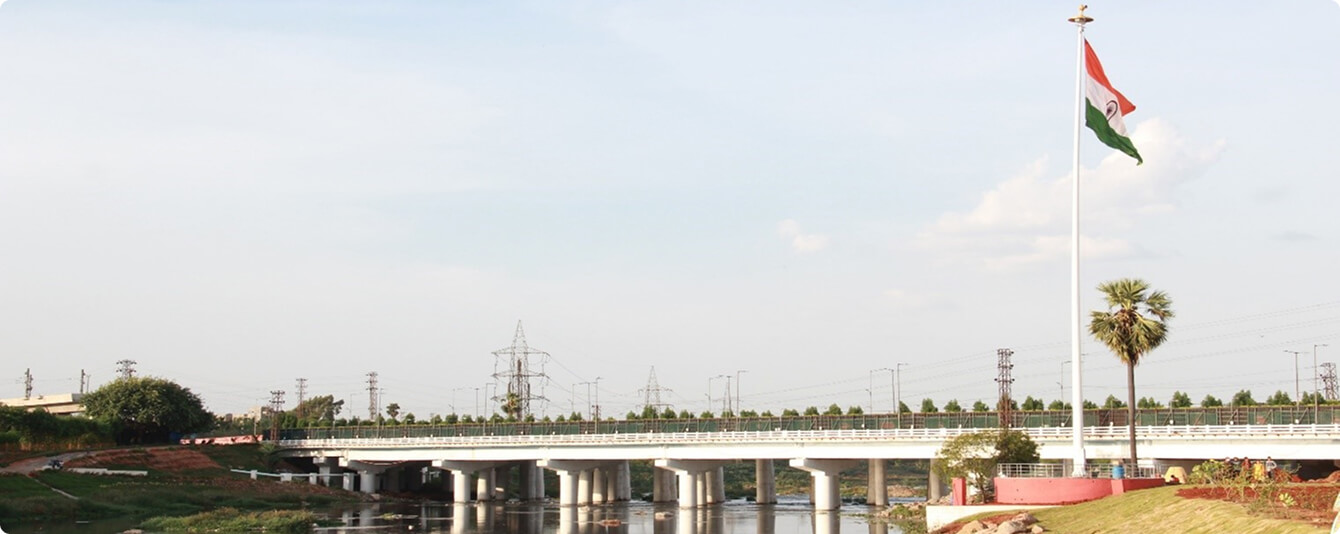
About Musi River: A Symbol of Hyderabad's Heritage
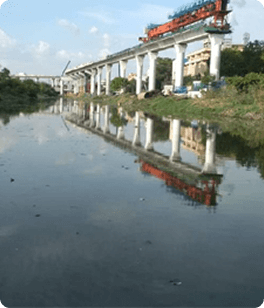
The Musi River originates in the Anantagiri hills and flows into theOsmansagar and Himayatsagar reservoirs, it consists of 2 rivulets Esi(8 kms) and Musa (13 kms) which then converge into Musi River thus being the water sources for Hyderabad for over a century.
The reservoirs were constructed in the Nizam’s reign after devastating floods in 1908. Land around the reservoirs is a Government protected conservation area. The Musi then flows eastward through Hyderabad, bifurcating the urban agglomeration. The old city lies to the south of the river; while post-1960s urban development expanded to the north.
Within Hyderabad, the Musi runs nearly dry. The loss of water is likely to be caused due to the impounding of river water in reservoirs and the degradation of catchment areas.
The riverbed is used in places by local communities for bathing, washing clothes, cultivation and grazing. Downstream from Hyderabad city, the Musi River has 24 diversion weirs for irrigation, locally known as kathwas. Irrigation and drinking water for villages downstream is heavily polluted with waste from the city.
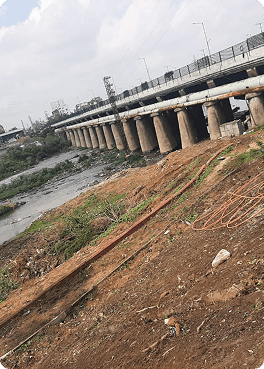
Unchecked urban development and construction over natural rainwater channels and water tanks have disrupted the drainage patterns of the region. Untreated sewage as well as industrial effluents now flow into the river, which is severely polluted.
Hyderabad’s major interstate bus terminus is located on a River island (see ‘Landmark Transformation’ site), on environmentally sensitive land. There are several slum settlements along the Musi Riverbanks.
The riverbed is used in places by local communities for bathing, washing clothes, cultivation and grazing. Downstream from Hyderabad city, the Musi River has 24 diversion weirs for irrigation, locally known as kathwas. Irrigation and drinking water for villages downstream is heavily polluted with waste from the city.
Our Vision: Shaping Tomorrow's Waterfront Today
Government of Telangana vide Go Ms. No. 90, MA&UD (II) Dept., dt: 25.03.2017 has created a special purpose vehicle (SPV) for abatement of pollution of Musi River and facilitate its Riverfront Development to improve hygienic conditions and environs.
The primary objective of MRDCL is to improve the ecological, social, and economic aspects of the Musi riverfront by undertaking various development activities.
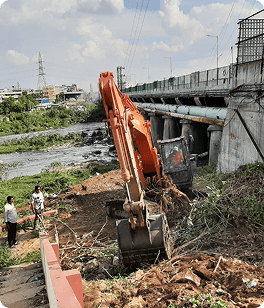
The corporation is involved in the planning, design, construction, operation, and maintenance of various infrastructure projects along the riverfront. These projects include the development of parks, walkways, cycling tracks, and other recreational facilities.
We envision not only the preservation of the river’s ecosystem but also the establishment of a sustainable economic framework that prioritizes long-term environmental health and community well-being. This holistic approach will ensure that Musi river project becomes a model for environmentally conscious and economically sustainable development.
Milestones: Tracking the Musi River Revitalization Progress
Exploring the numbers behind the transformation and key data points illustrating the impact of restoration efforts
3 sq km
Area of Cleaned Riverfront
1000
Trees Planted
40%
Reduction in Waste Disposal
Watch a 2 Minute Project Trailer
Our Team: Dedicated People Behind Musi Riverfront Development
Meet the passionate individuals who drive the vision and mission of the Musi Riverfront Development Corporation forward. Our diverse team brings together expertise from various fields, united by a common goal: to transform the Musi Riverfront into a thriving, sustainable, and vibrant hub for the community.
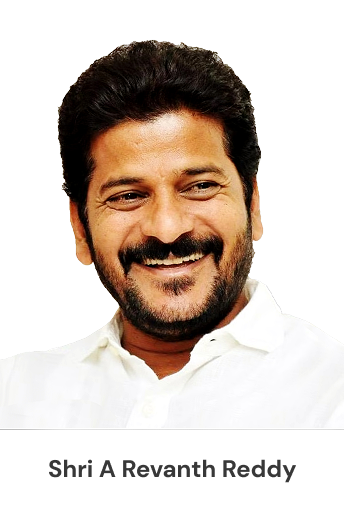
Hon’ble Chief Minister & Minister of MA&UD, Government of Telangana
Chief Secretary of Telangana, Chairman, MRDCL
Principal Secretary to Government, MA and UD Department, Managing Director, MRDCL